
1 / 1
With father’s day around the corner, we’ve come up with a quick list to remember and pay homage to our forefathers in the world of artistic pursuits. Our national history is filled with a great many works in the different fields of Art – much of which have been pioneered by these founding fathers:


Above The Oblation | Photo: Courtesy of WikiCommons
The Oblation | Photo: Courtesy of WikiCommons
1 / 1
Guillermo Tolentino | Philippine Arts
Primarily a sculptor, Tolentino’s most notable work would easily be the University of the Philippines’ Oblation statue. A symbol of academic freedom, the sculpture does not only greet all those who enter the campus, but it also serves as a reminder for the fervent pursuit of knowledge and the preservation of our national history and culture.
AWARD/S: National Artist of the Philippines for Visual Arts – Sculpture (1973)
Above Photo: Courtesy of WikiCommons
Photo: Courtesy of WikiCommons
1 / 1
José Nepomuceno | Philippine Cinema
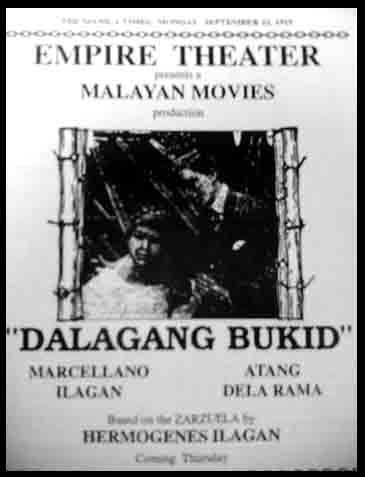
Known as the founder of Philippine cinema, it is Nepomuceno who produced the first Filipino film in 1919 – a silent entitled Dalagang Bukid (“Country Maiden”). His work foregrounded many films that would emerge in the following decades. His techniques are lauded as the foundation of our cultural identity in the world of film.
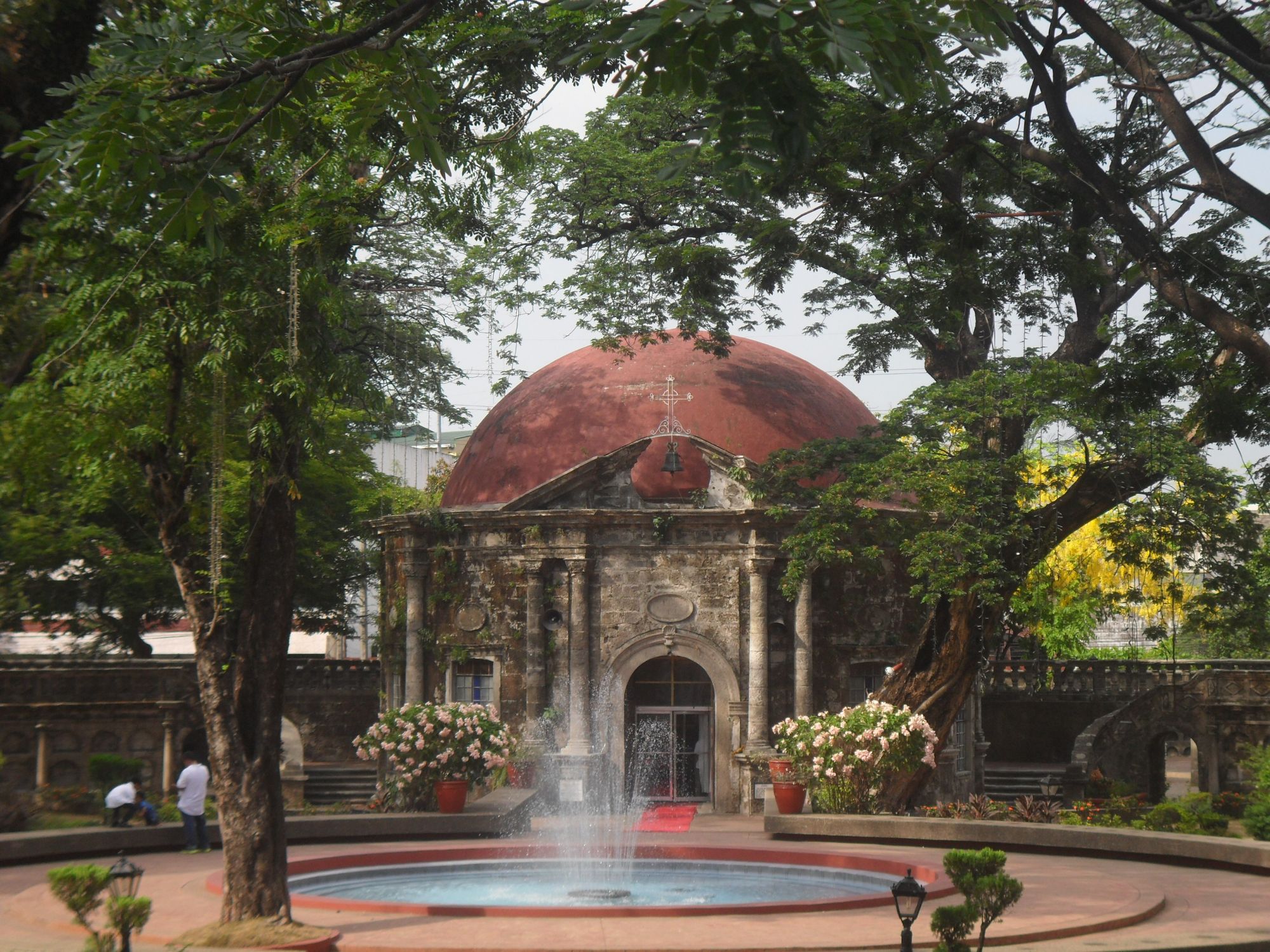
Above St. Pancratius Chapel Inside Paco Park | Photo: Courtesy of WikiCommons
St. Pancratius Chapel Inside Paco Park | Photo: Courtesy of WikiCommons
1 / 1
Ildefonso P. Santos, Jr. | Philippine Landscape Architecture
Ever fallen amazed at the beautiful landscape of the CCP, Manila Hotel, Paco Park, or Tagaytay Highlands? All these are but some of the places that feature the delicate work of Santos, who has been known to pioneer the profession of landscape architecture in the Philippines.
AWARD/S: National Artist for Architecture (2006)
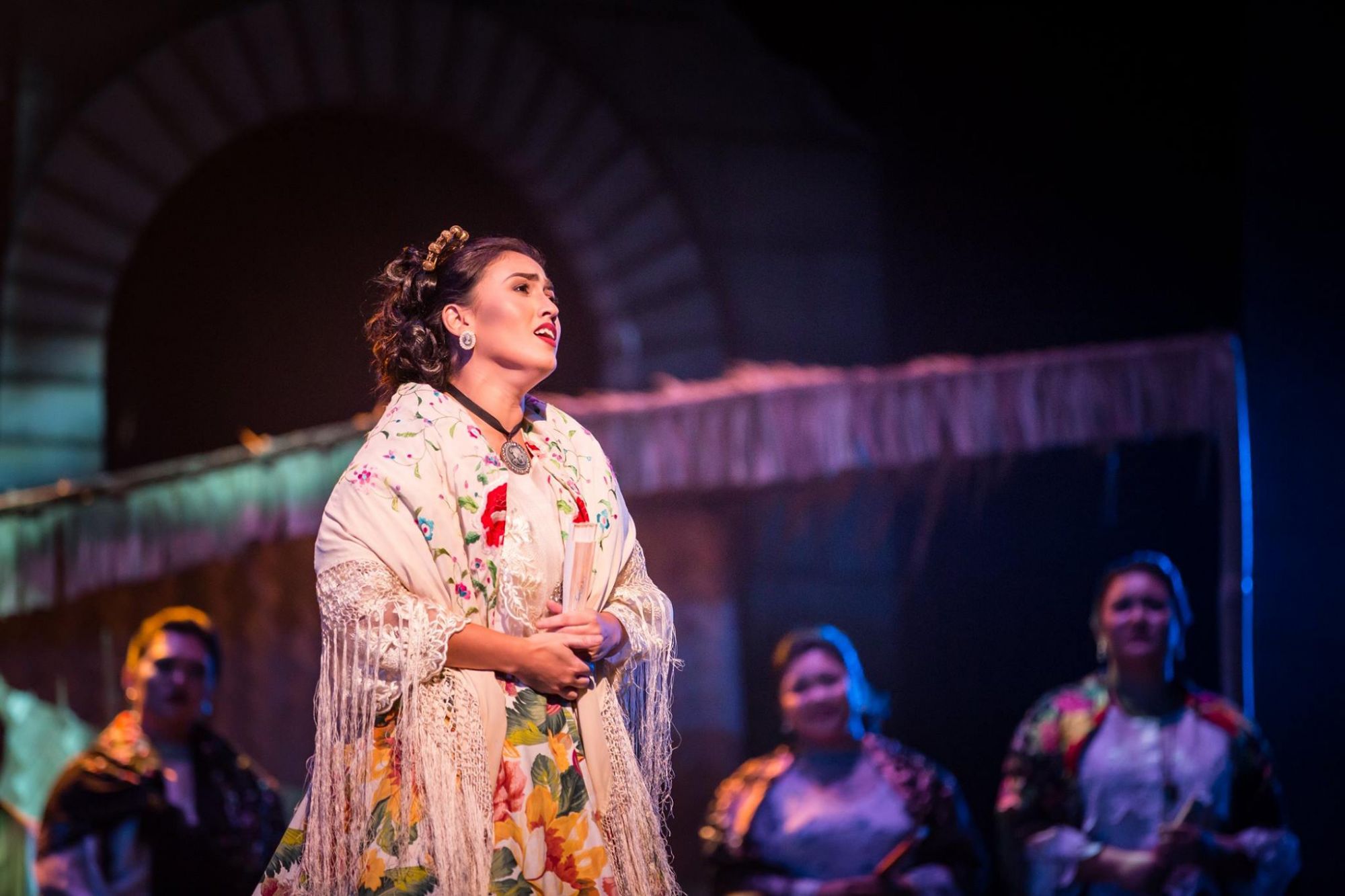
Above Jade Riccio as Maria Clara | Photo: Courtesy of Noli Me Tangere Opera Manila Facebook
Jade Riccio as Maria Clara | Photo: Courtesy of Noli Me Tangere Opera Manila Facebook
1 / 1
Ladislao Bonus | Philippine Opera
Bonus is lauded for numerous musical scores and Tagalog sarzuelas, yet his true love it would seem is conducting and teaching. He was known primarily as the forerunner of Philippine opera due to his passionate pursuit to discover and share new techniques to other musicians. One of his more extolled works are his musical compositions for the opera adapatation of Noli Me Tangere ("Touch Me Not") by National Hero, Jose Rizal – primarily, Maria Clara’s song.
Above People of the Philippine Cordillera 1934 - 1956 (published 1988) | Photo: Courtesy of www.alchetron.com
People of the Philippine Cordillera 1934 - 1956 (published 1988) | Photo: Courtesy of www.alchetron.com
1 / 1
Eduardo Masferré | Philippine Photography
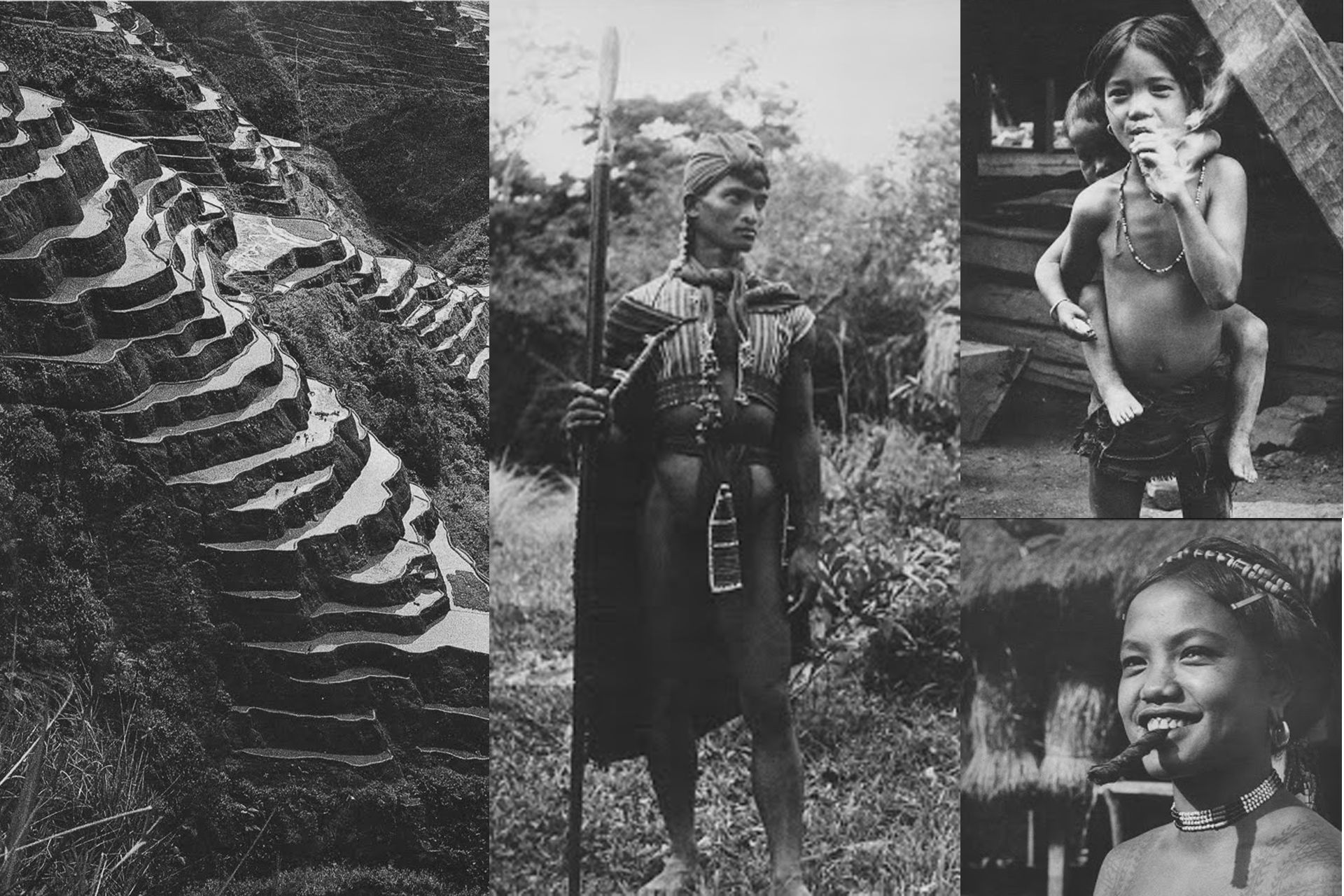
This Filipino-Catalan is credited as the first photographer to capture tribal life in the Cordillera region. Having been born in Sagada (Mountain Province), he was always familiar with indigenous life in the north. After studying in Catalonia, he found his way back to his hometown, where he proceeded to open a photographic studio in Bontoc. His photos were of people rather than landscapes, the latter of which was in vogue at the time. Aimed to capture the lives of the natives from the point of view of one who has lived with them has given his photographs historical and ethnographic value.
TATLER TRIVIA: One of Masferré’s most notable recognitions has come from the Smithsonian Institution who bought 120 prints of his work to be displayed at the National Museum of Natural History.
Above Photo: Courtesy of WikiCommons
Photo: Courtesy of WikiCommons
1 / 1
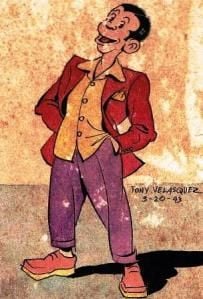
Antonio Velasquez | Philippine Comics
Have you ever heard of the term “kenkoy” – a colloquial adjective used to approximate an attitude of being wacky or fun-loving? Little do we know, that this term comes from an eponymous comic character sketched by Velasquez. Initially conceptualised as a war propaganda character during the Japanese Occupation, Kenkoy was eventually re-branded as a promotional personality for President Jose P. Laurel’s health programs of the time. The character serves as a forge in the world of Tagalog comics. Without him, perhaps we won’t have the same rich humour and love for comedy as we do now.

A creative storyteller with a background in literature and culture, Dowee has been with Tatler since 2016 and now leads the brand’s digital voice—pursuing stories that highlight inspiring people, moments, and experiences. She holds a Master’s degree in Creative Writing from De La Salle University and is pursuing her PhD in Philippine Literature and Society at the University of the Philippines. She is also a member of the writers group, Taftique, which hones young writers in the field of creative literature.
For story leads, collaborations, or inquiries, reach out via dowee@tatlerphilippines.com or info@tatlerphilippines.com.





