
1 / 1
Our guest writer looks at indigenous cultures through a lens, via the works of Edward S. Curtis and Yang Guanghai
A great deal of what we know about native communities in North America has come through a single man’s work, Edward Sheriff Curtis. Unlike Lewis Henry Morgan, Franz Boas or Claude Lévi-Strauss, Curtis was not an ethnologist and did not come up with any important anthropological theory. Nor did he make significant ethnographic collections like Vladimir Bogoraz, who brought back cultural relics from vanishing cultures in Siberia, which have become the material basis for the study of indigenous communities in these areas. Edward Curtis is not even well known by professional anthropologists today.
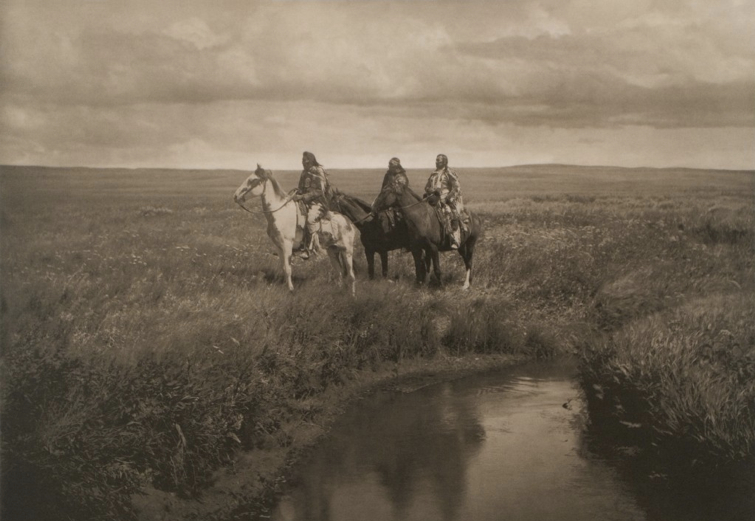
However, for any one with a passing interest in the American Wild West and native communities, Curtis’ work cannot be ignored. For he devoted his whole life to documenting the lifestyles of Plains Indians, Eskimos and other indigenous communities, whose lifestyles were being threatened and driven to extinction under the full wind of American colonialism during his lifetime (1868-1952).
His chosen medium was photography and left behind a rich visual legacy that is preserved in several research institutions in the US, such as the Library of Congress, Charles Lauriat Archive, and the Peabody Essex Museum.
For all the imperfections of his photography, which was highly influenced by the romanticism of the 19th century and which led him to “stage” many of his portraits – a practice that is highly unacceptable according to current anthropological standard – Curtis’ images are often the last traces we find of peoples and communities who have been gobbled up in the white man’s land hunger during the bloody and ruthless conquest of the American west. The human emotions – pride, loss, determination and hopelessness – which are captured in the expression of the photographic subjects, can never be found in a material object or even ethnographic study.
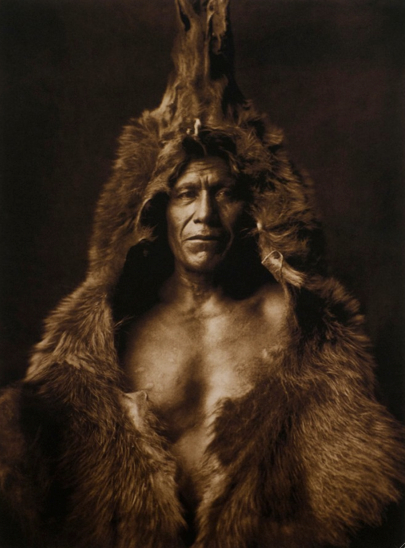
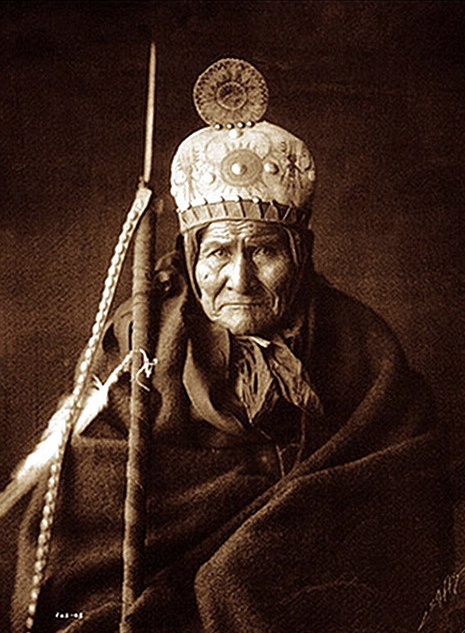
Across the Pacific in China, early photographic documentation of its cultural mosaic was largely undertaken by foreigners, but their penetration was mostly limited to the coast and regions of special political or geographical interest to explorers and soldiers, such as Tibet and Xinjiang during the time of the Great Game. University researchers and explorers had sporadically turned up in different places, but with the intervention of the Second World War and then the Communist curtain, a great deal was left documented until after the mid-20th century.
In many ways, the kind of systemic destruction of indigenous cultures as witnessed in 19th century America only began after the 1950s, as a new Communist China embraced ideas of modernity and progress adopted from the Soviet Union. In the beginning, under a more moderate and tolerant form of socialism, indigenous cultures were encouraged to adopt new forms of social organisation and industrialised production methods, but traditional practices were allowed to continue side by side with new developments. During this period of the late 1950s and early 1960s, social scientists meticulously documented the society and culture of rural China and created the first photographic archive for many communities.
Difficulties in logistics and transport imposed severe limits but their achievement must be measured against the background of the times – the famine in the latter years of the Great Leap Forward, general lack of funds and provision in the immediate aftermath of the Communist accession, as well as the primitive conditions in many places.
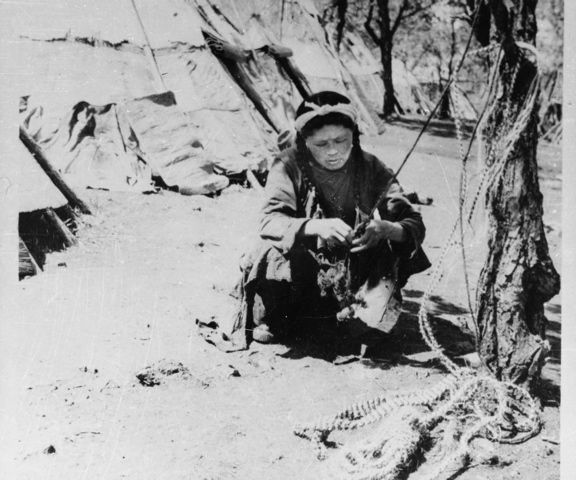
In the foreword to Orochen 1963, published last year by China Nationalities Publications with funding support from Earthpulse, Orochen Foundation and the China National Museum of Ethnology, filmmaker Yang Guanghai recalls his hardships during several months of filming in the Great Khingan Mountains, and how his entire documentary project nearly came to grief on several occasions if not for timely and unstinting help from Orochen friends.
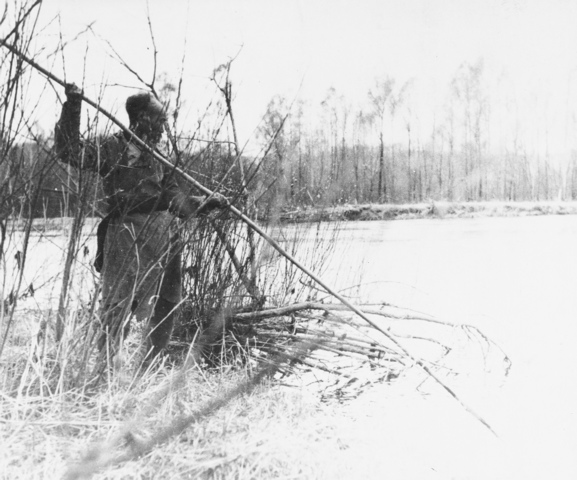
Yang Guanghai’s documentary and photographic images are the only visual record we have of the Orochen in the early settlement period, when traditional culture was yet to be completely displaced.
As destiny would have it, it has fallen into my path to record the last vestiges of China’s last boreal hunters four decades after Yang Guanghai, and I feel exceptionally privileged to have walked and lived among the last Orochen elders from the forest. In my next article, I shall talk about the work of Orochen Foundation and Earthpulse in creating a permanent visual archive for the minorities of China’s Far North, featuring photographs that nearly span one century.





