
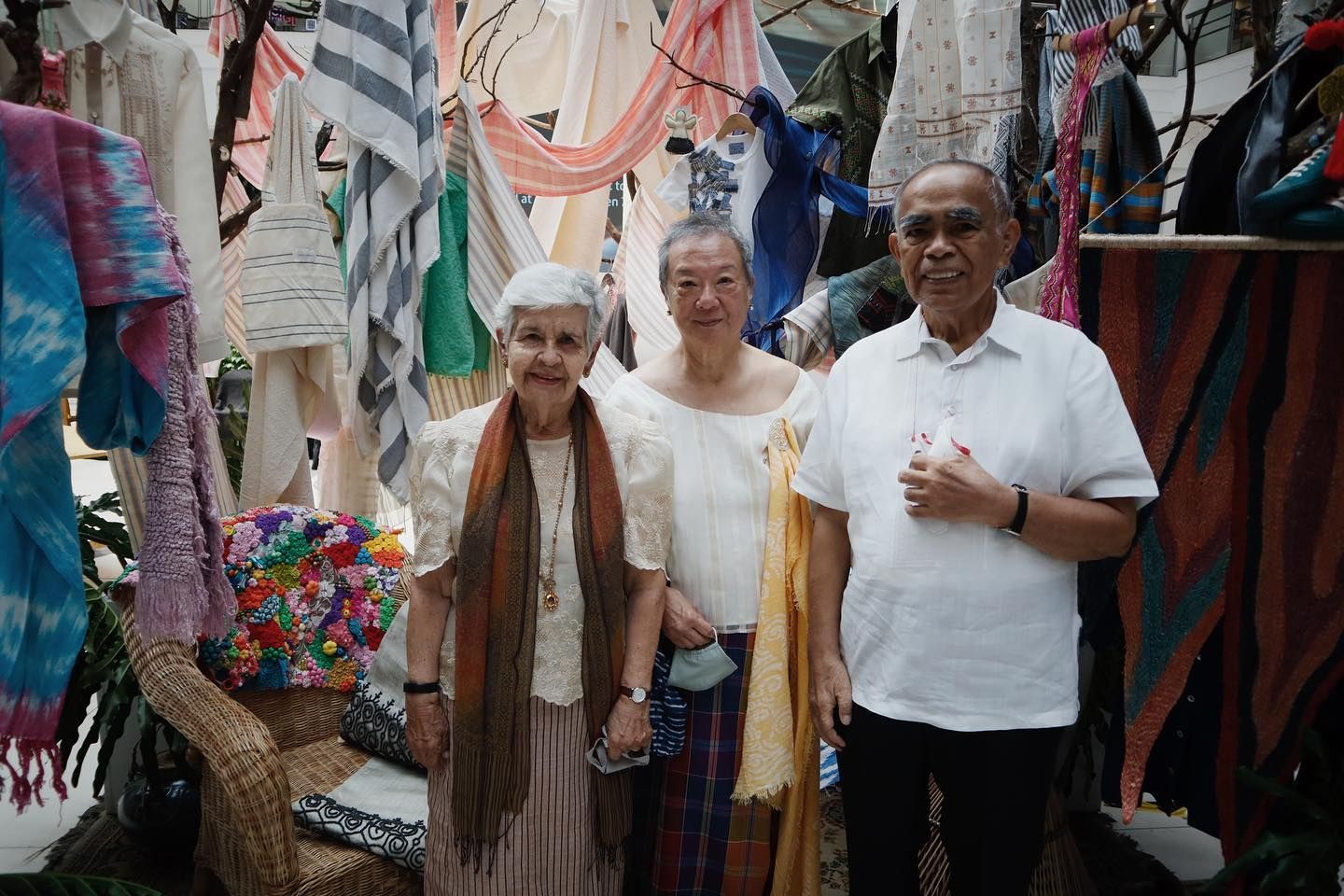
Cover Maribel Ongpin, Adelaida Lim, Dr Joven Cuanang
Maribel Ongpin, Adelaida Lim, Dr Joven Cuanang
1 / 1
After moving into the online platform, the annual celebration of the country's local weaving traditions, arts, and crafts Likhang HABI Market Fair is back onsite
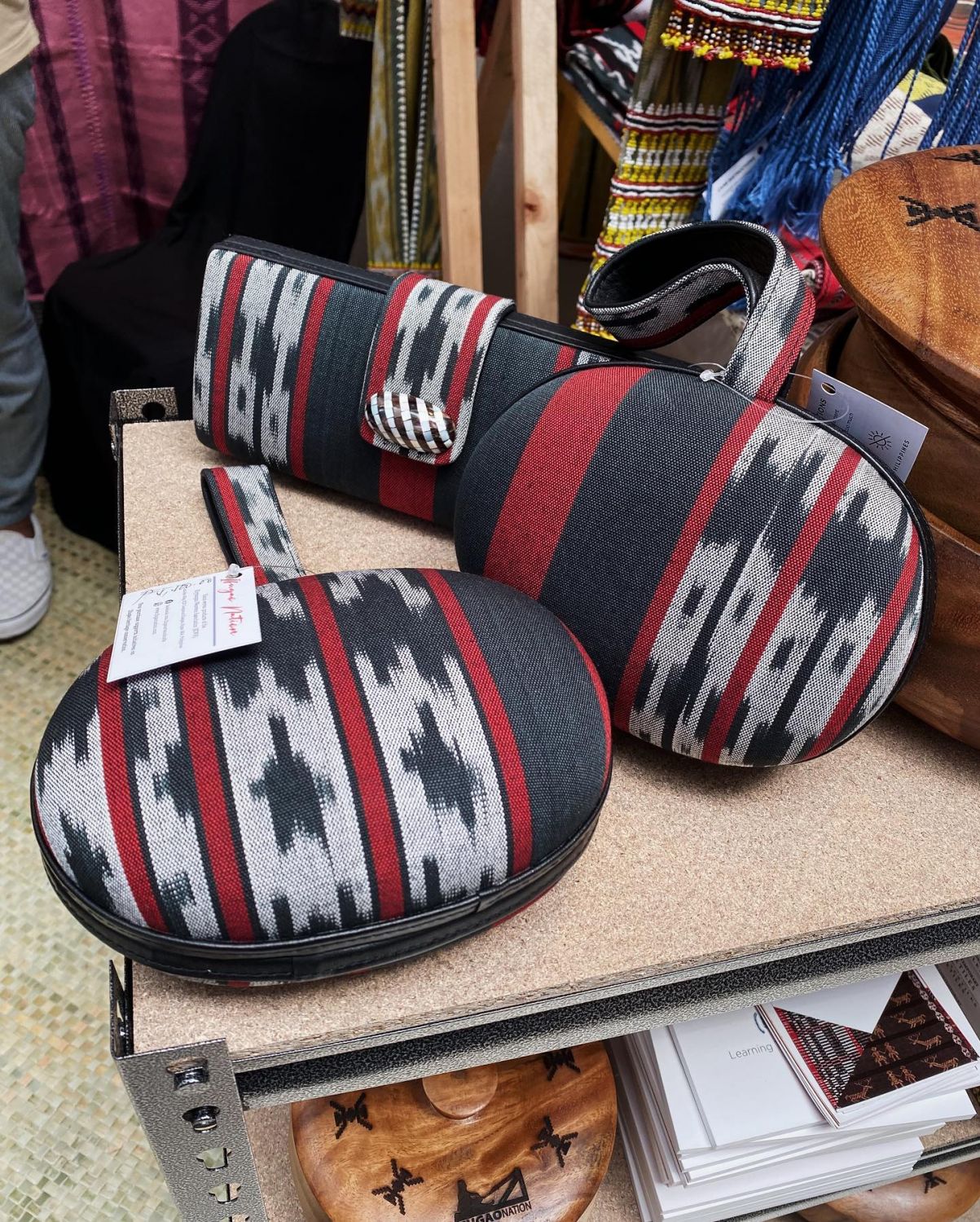
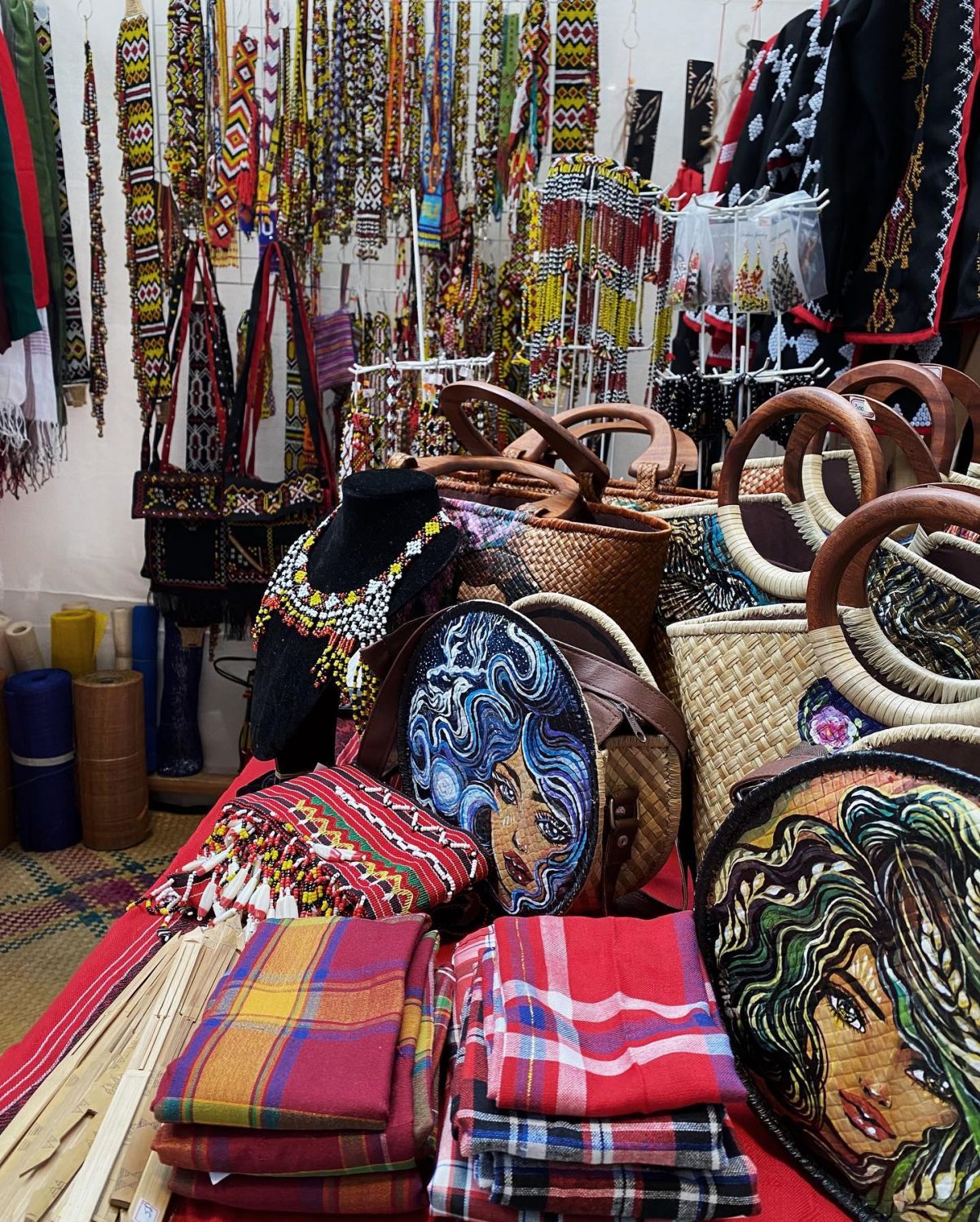
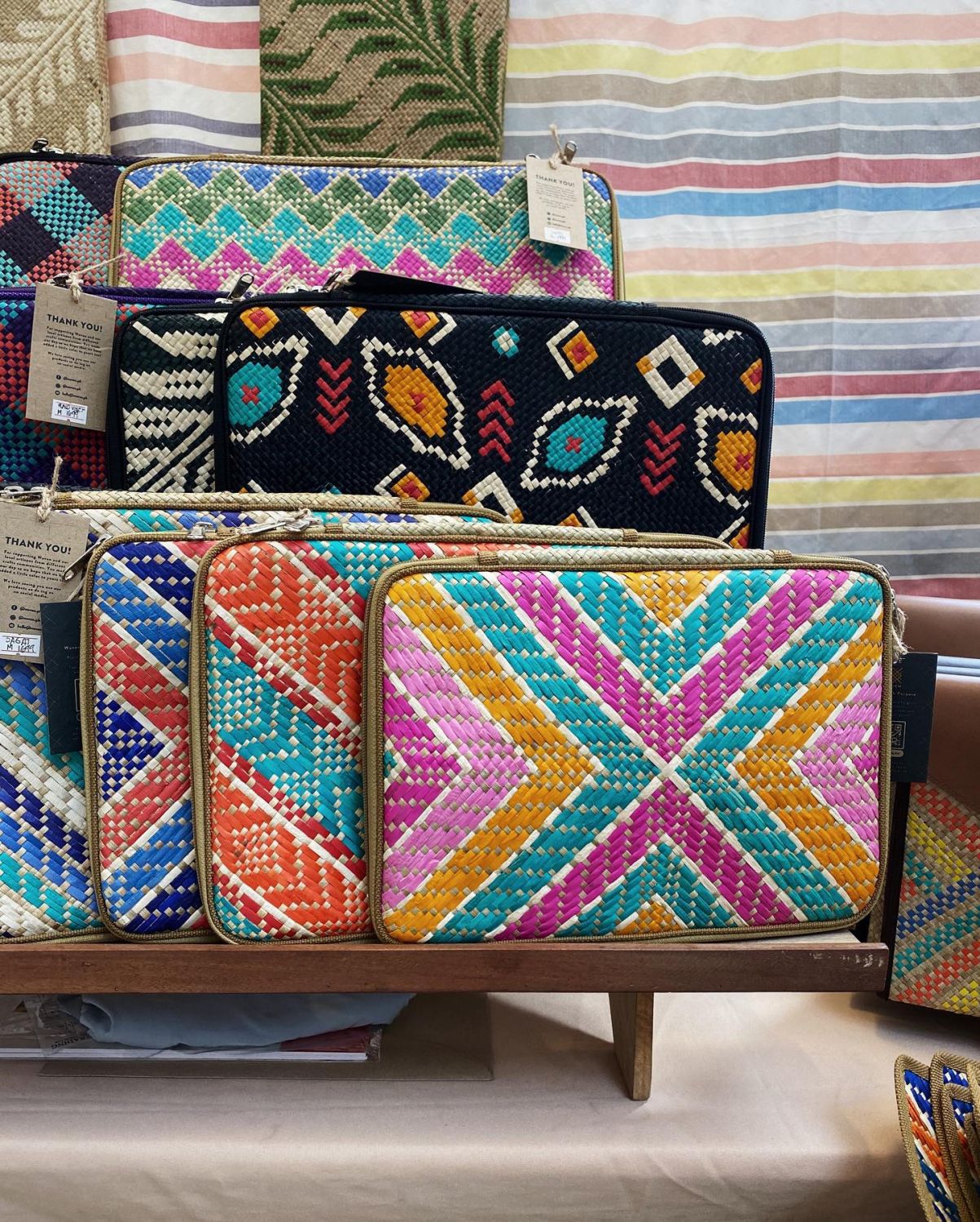
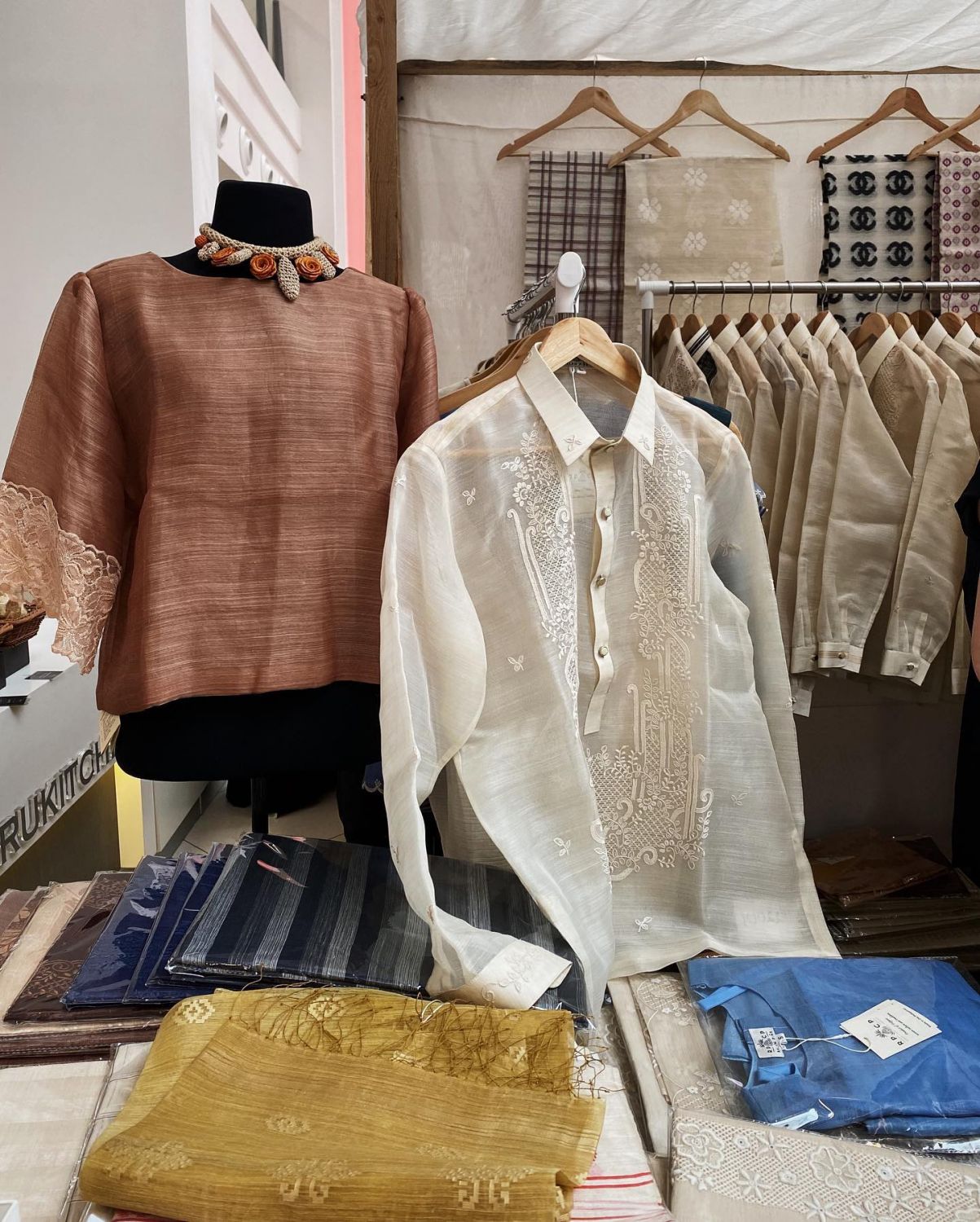
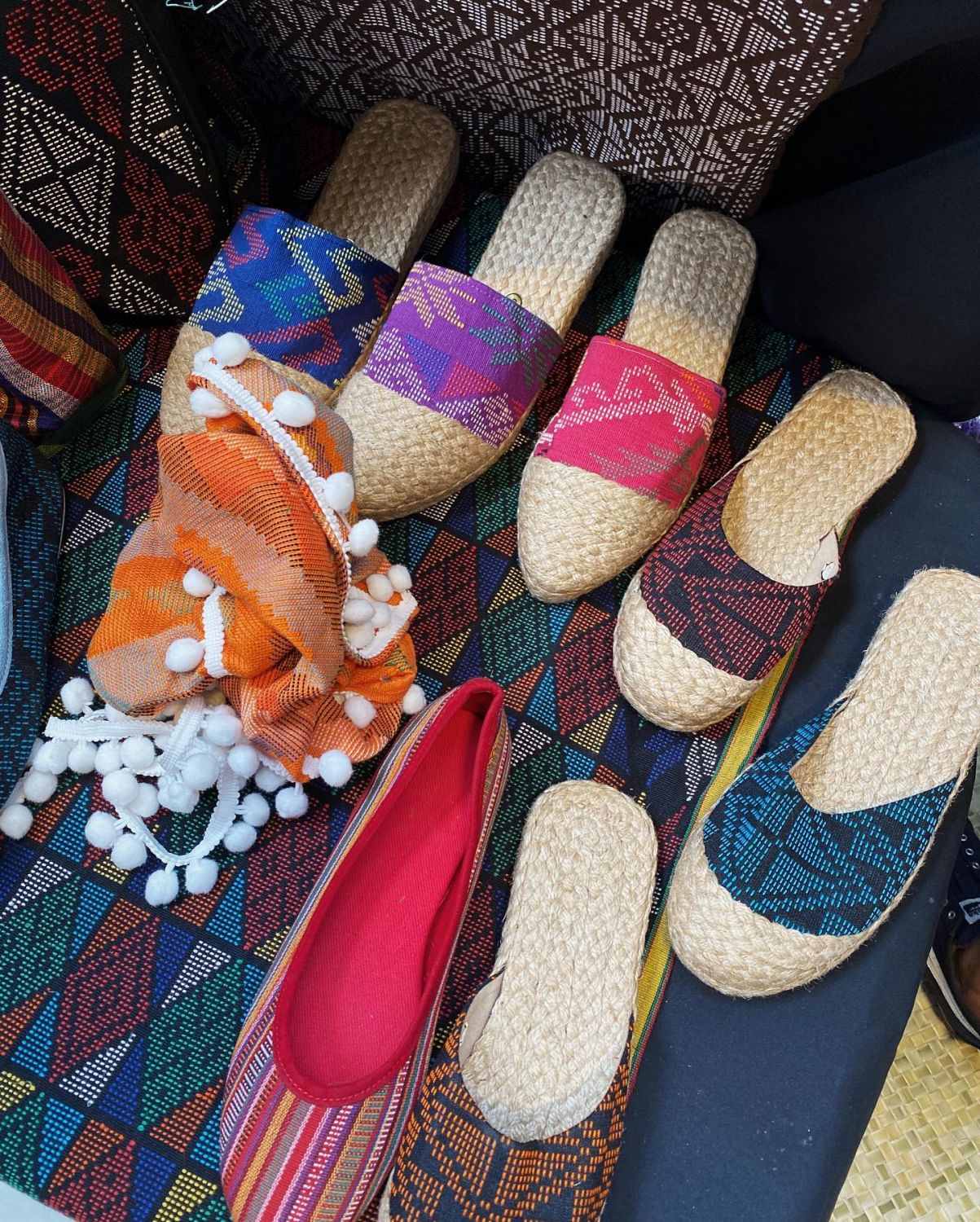
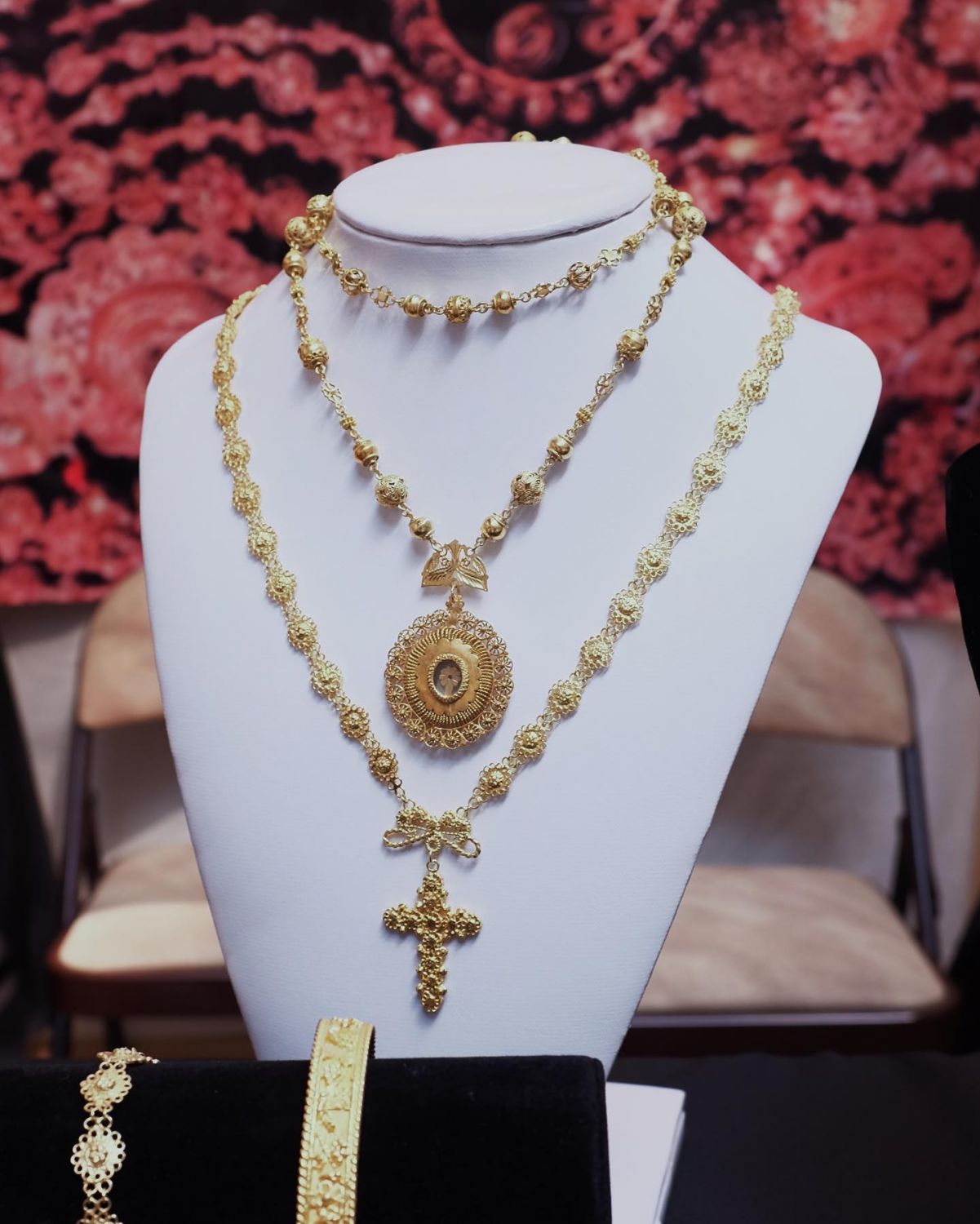
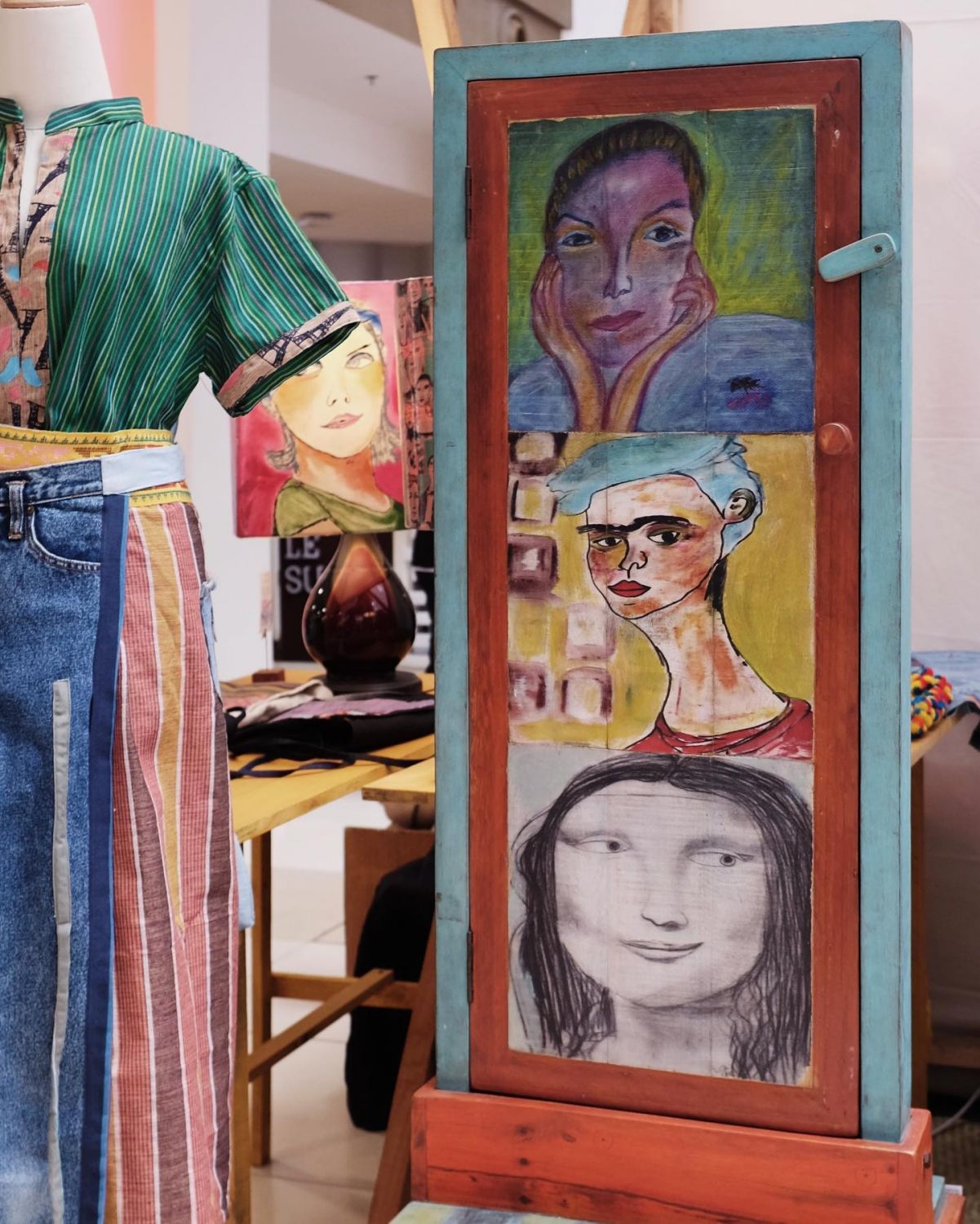
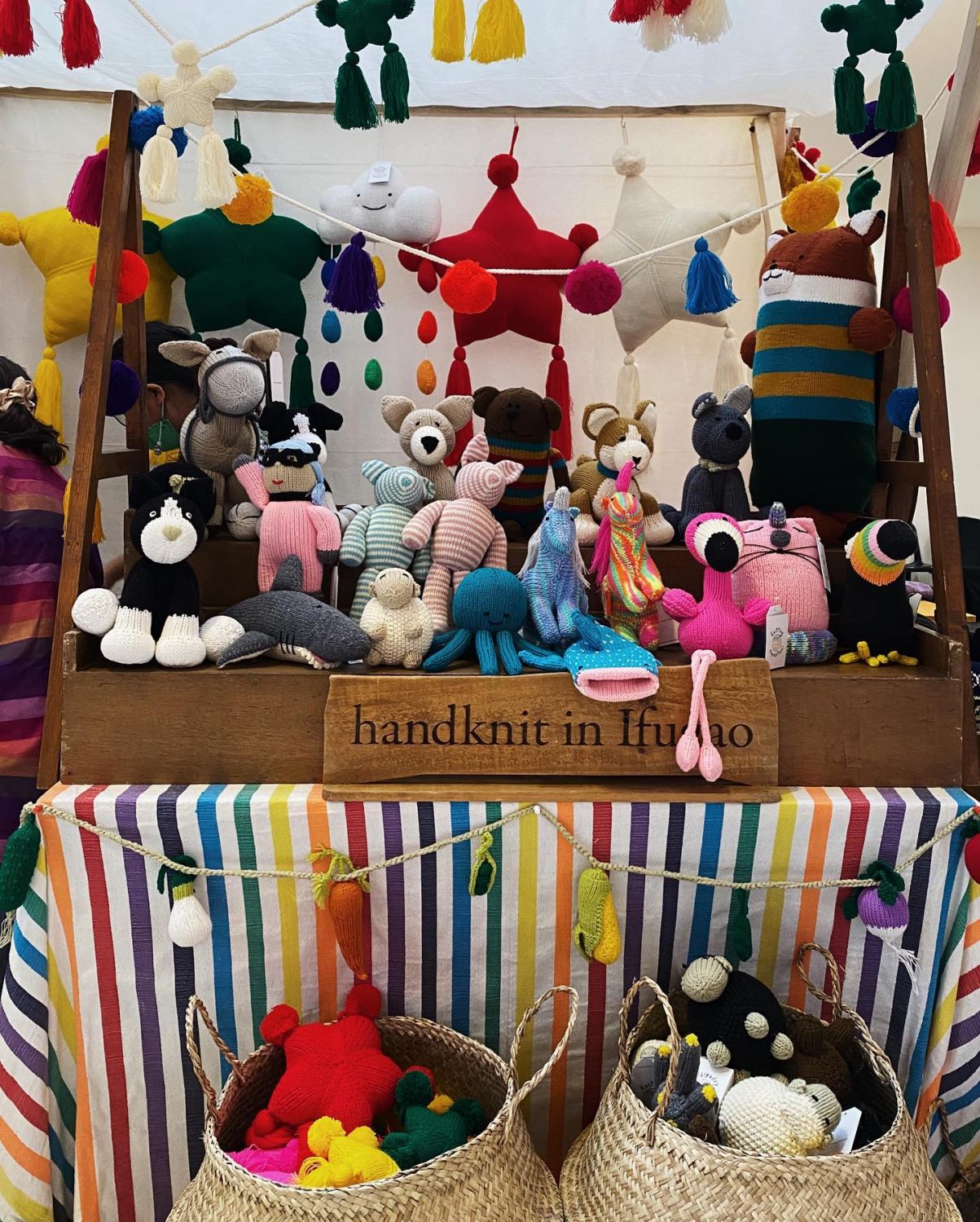
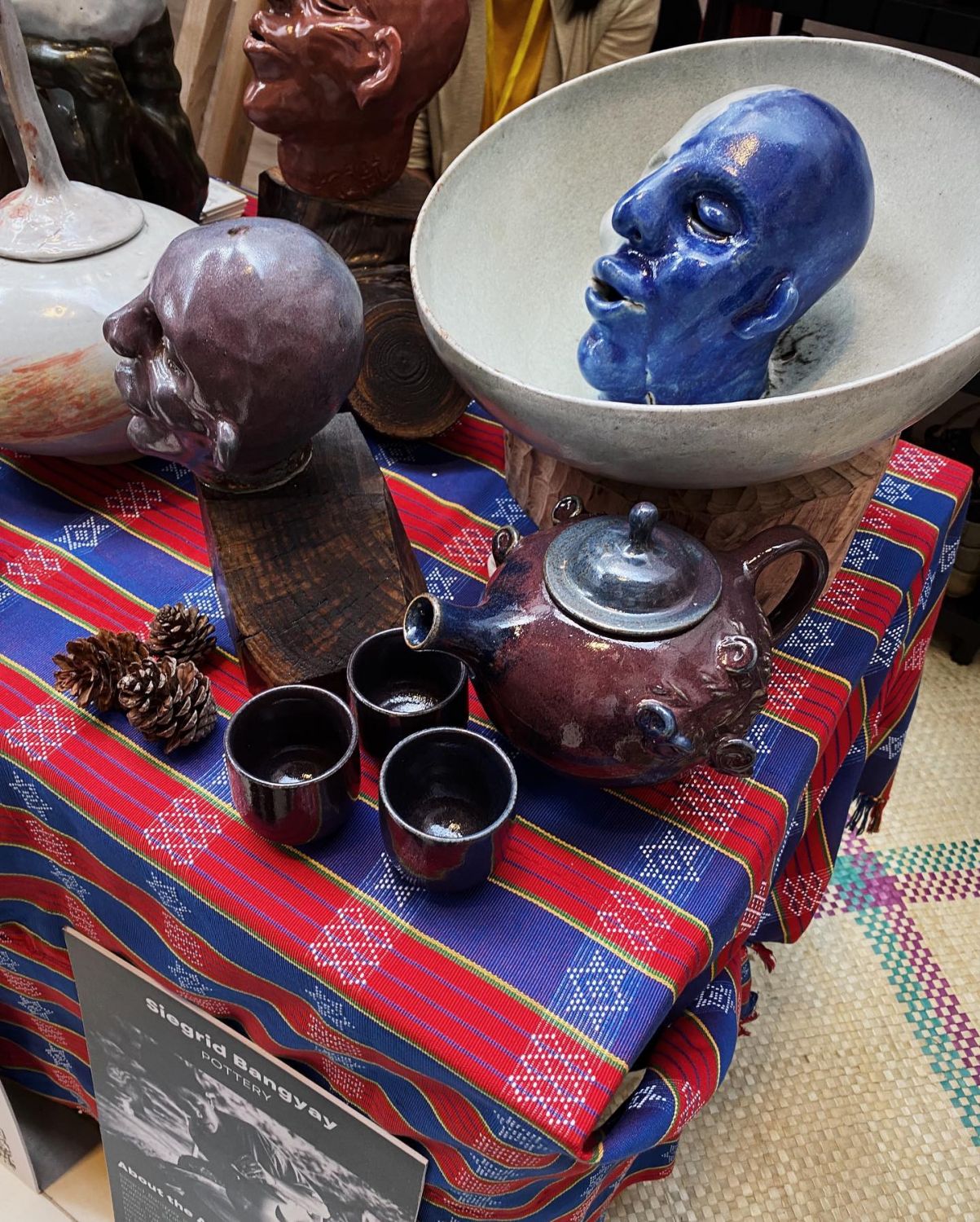
More than 60 vendors offering handmade pieces, like woven fabrics, ready-to-wear clothes, home accessories, and even locally made furniture and pottery are participating in this year's Likhang HABI Market Fair at the Glorietta Activity Centre, from October 14 to 16.
Organised by HABI: The Philippine Textile Council, the annual fair has become a platform for Filipino artisans to sell their hand-woven products made from cotton, piña, abaca, and nito, among others, as well as raise the appreciation for traditional Filipino arts and crafts and its contemporary iterations.

1 / 2
The fair was designed by event stylist Kitty Bunag who was inspired by outdoor souks and markets. As a result, the vendor booths made of wood and canvas were perfect to showcase the products of participating vendors and gave marketgoers a feel of a joyful atmosphere as textiles hung from dried ornamental trees.
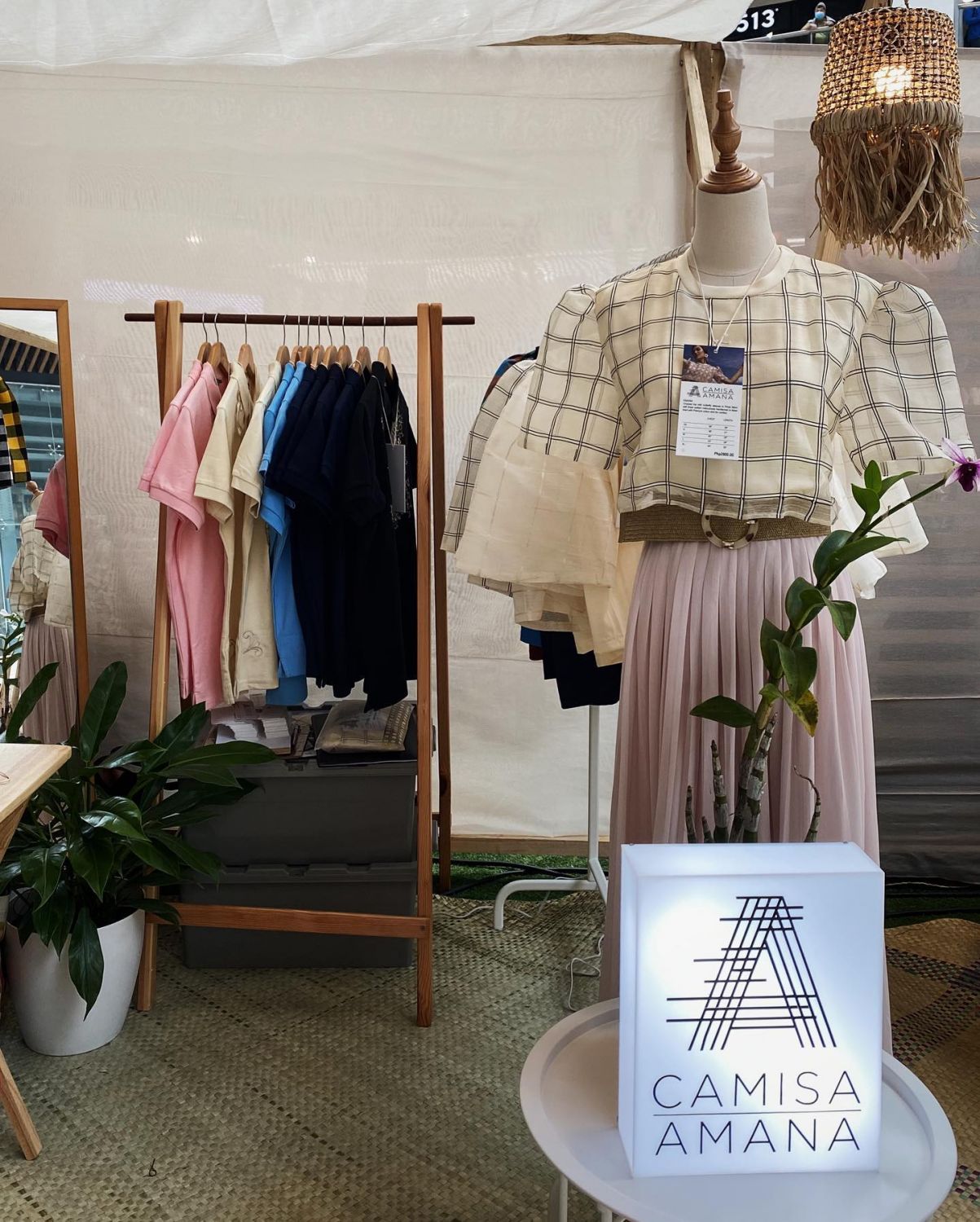
Showcased during the 3-day fair are homegrown brands Abek Home & Culture, Abre Linea, Accelerate Sulu, Adante Leyesa, Aishe Fashion, Angie’s Yakan Handloom Weaving, Anihan sa Ibaan, Aruga Handwovens, Balud Craft, Bicol Sweetgrass Handicrafts, Camisa Amana, Cariñosa, Casa Garcia, Coco & Tress, Crafted Pilipinas, Creative Definitions, Ditta Sandico, En Barong Filipino, Gifts and Graces, Habi, Helena Alegre Sculptural Jewelry, Idyllic Summers, Ifugao Nation, Iraya Mangyan Art, Jor-El Espina, Kalinga Weaving, Kaya Mana PH, Knitting Expedition, La Bonne Vie, La Herminia, Lakat Sustainables, Local Home + Art + Fashion, Mabaysay, MCV Designs, Milvidas, Monica Madrigal, Narda’s Nina Abel, Pidayit, Piesa, Pina Seda Primera, PNay, Provenciana, Raquel’s Piña Cloth Products, Ruby Roa with Lila Lifestyle, Rurungan Collective, Siegrid Bangyay Pottery, Silahis Arts and Artifacts, Style Isle, Tadeco Home, The Manila Collectible Co, Tinampuso, Tuwas Yakan Weavers, WeaveManila Inc., Woven, WVN Living, and WYC Wear Your Culture.
1 / 4
HABI: The Philippine Textile Council is steadfast in pursuing its mission to promote the art of hand-weaving not only through its annual and much-anticipated market fair but also by supporting these businesses in their production stage.
"We’re the first in this line of promoting indigenous fabrics as fashion," Maribel Ongpin, the council's founding chairman, says. "Second, while most of the other bazaars have reached a sophisticated level, we continue to go grassroots."
As a non-profit organisation, HABI doesn’t earn anything from its annual endeavour. Whatever percentage it charges from the gross income of each exhibitor is ploughed back to cover basic expenses, including the staging of next year’s fair.
"The fair is one of HABI’s biggest fund-raising activities," says council secretary Mia Villanueva. The Likhang Habi fair, through the generous support of Ayala Land and the Ayala Foundation, is held every year at Glorietta. Individual exhibitors still rent the space from HABI at very reasonable rates. Fledgling exhibitors, who are grouped together in a common section called the HABI booth, are also welcome to participate.
1 / 4
Being the first of its kind in the country, the fair will also feature two uniquely Filipino competitions: the annual Lourdes Montinola Piña Weaving Competition and, starting this year, the Eloisa Hizon Gomez Abaca Competition. Contestants are going to be judged by a panel of experts on Philippine textiles, processes, and materials.
“This is our fifth year of holding the piña competition and since we’ve had it, we’ve noticed that artisans working on piña have been levelling up,” says HABI president Adelaida Lim.
Ultimately, the three-day fair is HABI’s biggest and most talked about fundraising activity. Aside from direct donations from individuals and companies, the fair is one of the main sources of funding for the council’s projects, which includes the preservation of the art of weaving, educating consumers, and pushing locally made products and artists to the national—and global—market.
“As a country, we carry important fibres like piña and abaca that are uniquely ours. [These] are world-renowned. Since museums in the world feature [these pieces, it’s] considered a legacy of Filipino craftsmanship, identity, and the nation,” Ongpin concludes.
1 / 1
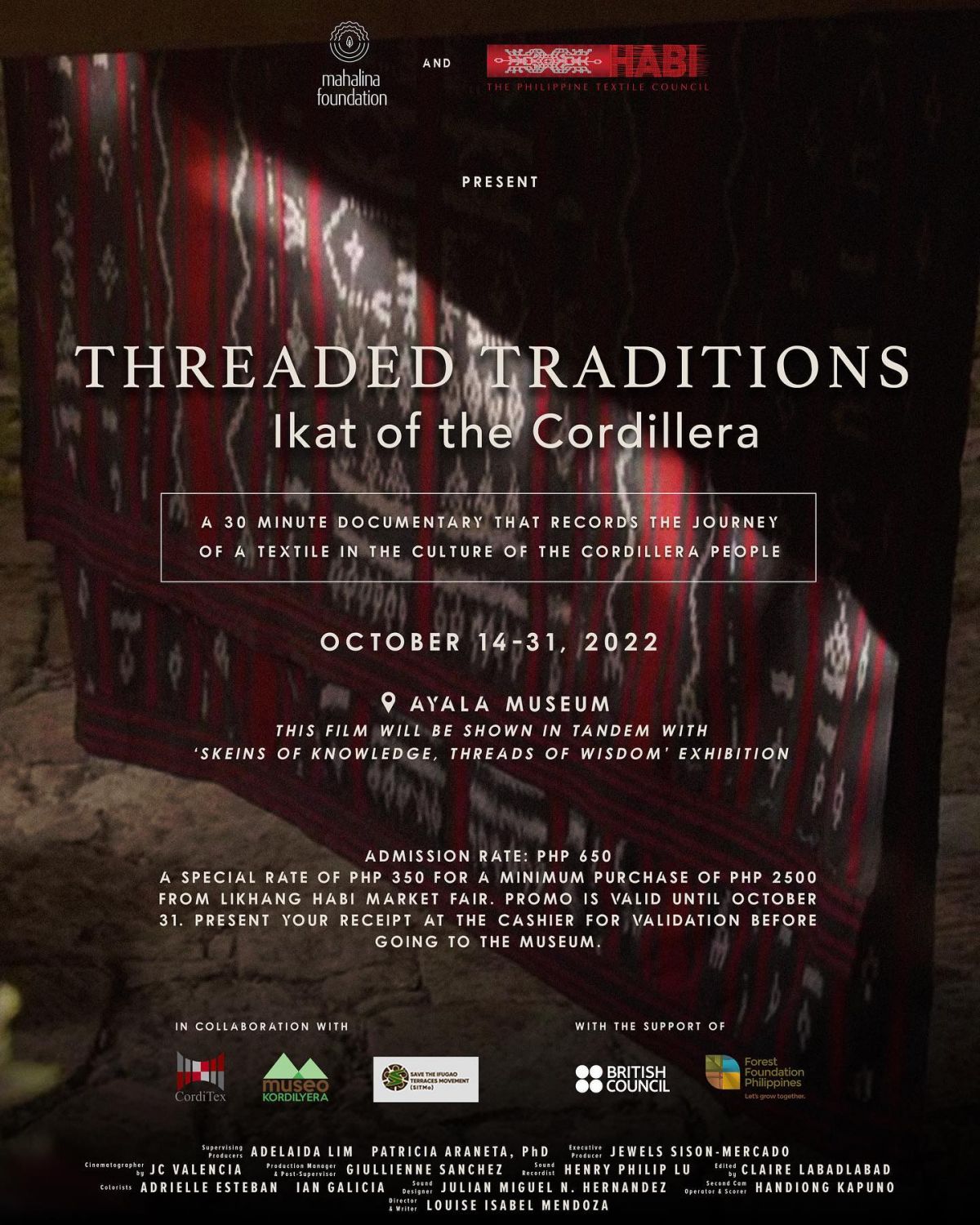
Alongside the fair, a 30-minute documentary film will be shown at Ayala Museum from October 14 to 31. Titled, Threaded Traditions: Ikat of Cordillera, it records the journey of textiles in the culture of the Cordillera people. This film will be shown in tandem with the museum’s “Skeins of Knowledge, Threads of Wisdom” exhibition. Shoppers that spend a minimum of PHP 2,500 from the Likhang Habi Market Fair will be entitled to a special ticket rate of PHP 350 upon presentation of their receipt to the Likhang Habi cashiers.
Likhang HABI Market Fair 2022 is made possible by the generous contribution of council sponsors: Glorietta Mall, Ayala Center, Union Bank of the Philippines, The Philippine Gaming Corporation (PAGCOR), AY Foundation, Emerging Power Inc., Marubeni Philippines Corporation, Holiday Inn & Suites Makati, Far Eastern University (FEU), and Pancake House with radio partners DZRH Manila, RPN DYKB Bacolod City, and DYRF Cebu City.

Franz writes about the local cultural scene and rediscovering the country’s storied past and rich heritage. He earned his bachelor’s degree in Journalism from the University of Santo Tomas and is currently pursuing a master's degree in Art Studies at the University of the Philippines Diliman. Besides working on this luxury lifestyle magazine, Franz is an avid book reader, local traveller, museum-goer, chorister, and community theatre playwright. But above all this, this Aether main spends more time in Teyvat than anywhere else.





