
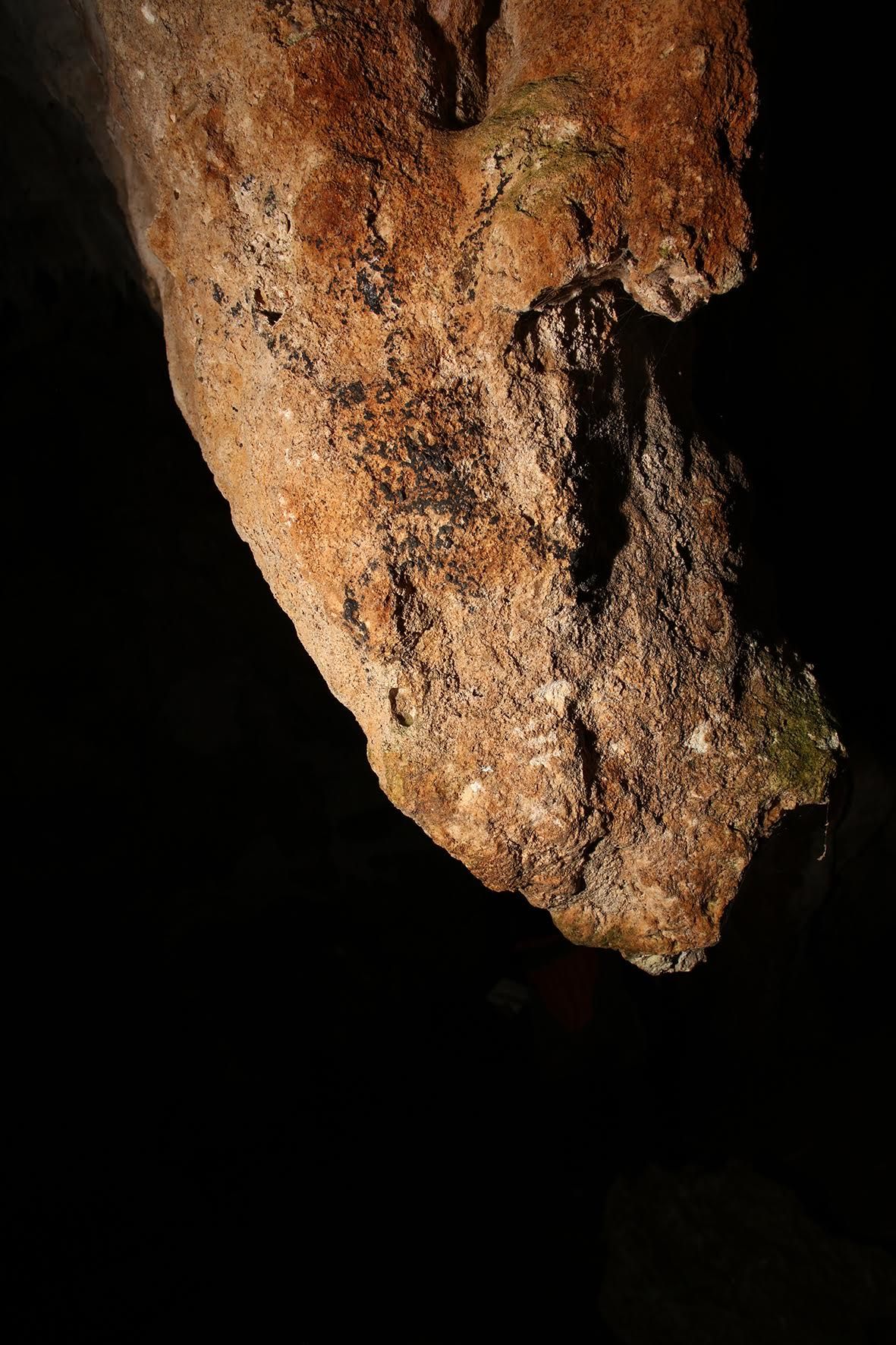
Cover The human-like rock art found in Hermoso Tuliao Cave in Peñablanca, Cagayan is the first directly dated rock art in Southeast Asia and has been confirmed to be 3,500 years old
The human-like rock art found in Hermoso Tuliao Cave in Peñablanca, Cagayan is the first directly dated rock art in Southeast Asia and has been confirmed to be 3,500 years old
1 / 1
The latest follow up to the recent series of archaeological findings of the National Museum of the Philippines sets new heights to direct rock art dating in the region
National Museum of the Philippines research associate Dr Andrea Jalandoni, lead author of the recently published research paper in the journal Radiocarbon, disclosed important information regarding the cave drawings in Peñablanca, Cagayan. According to the paper entitled, First Directly Dated Rock Art in Southeast Asia and the Archaeological Implications, Jalandoni and her team wrote that the samples of carbon black pigment date around 3,500 years ago. This was confirmed using a radiocarbon dating method.
More from Tatler: National Museum Of The Philippines Finally Reopens This March 2021

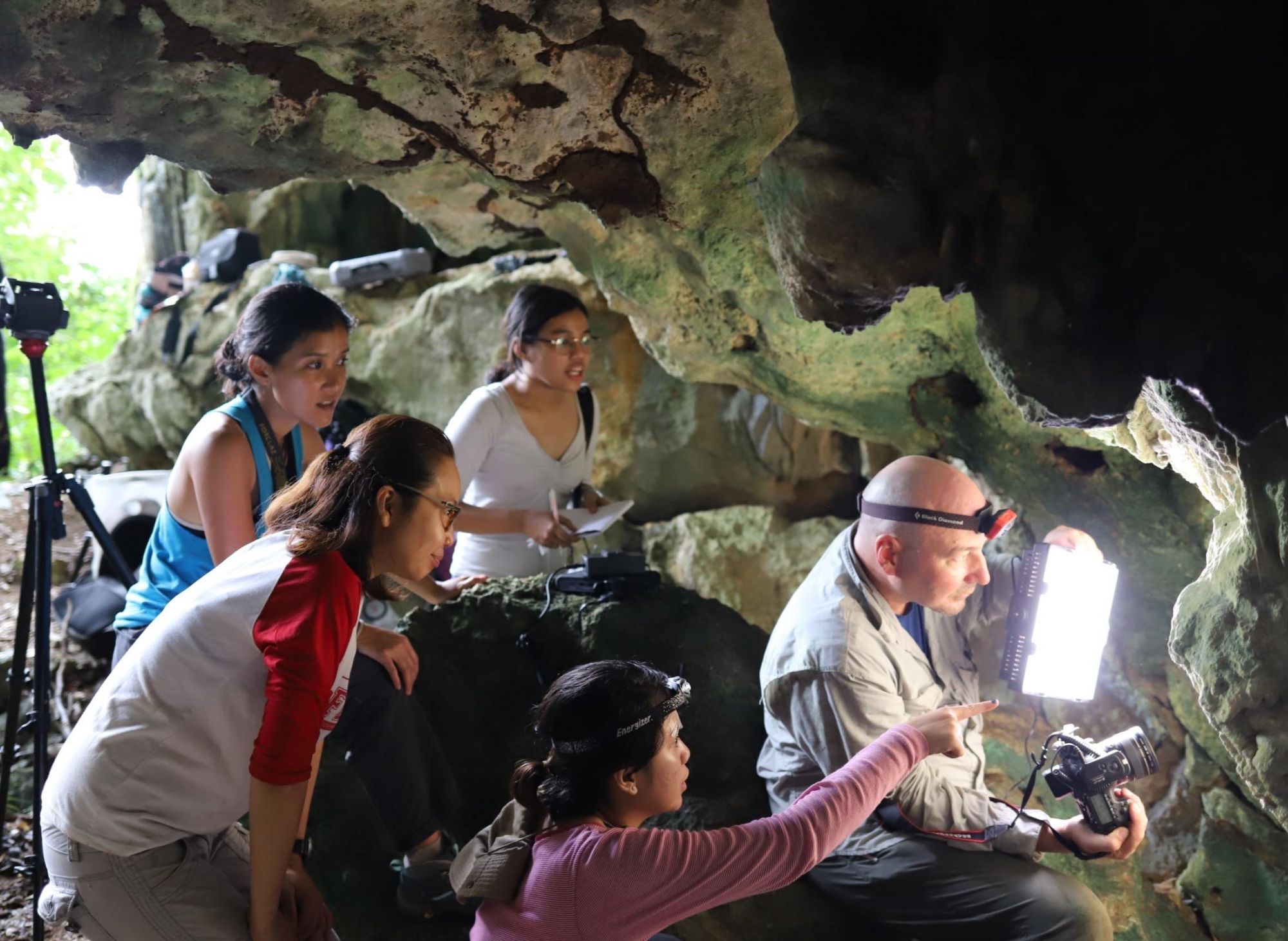
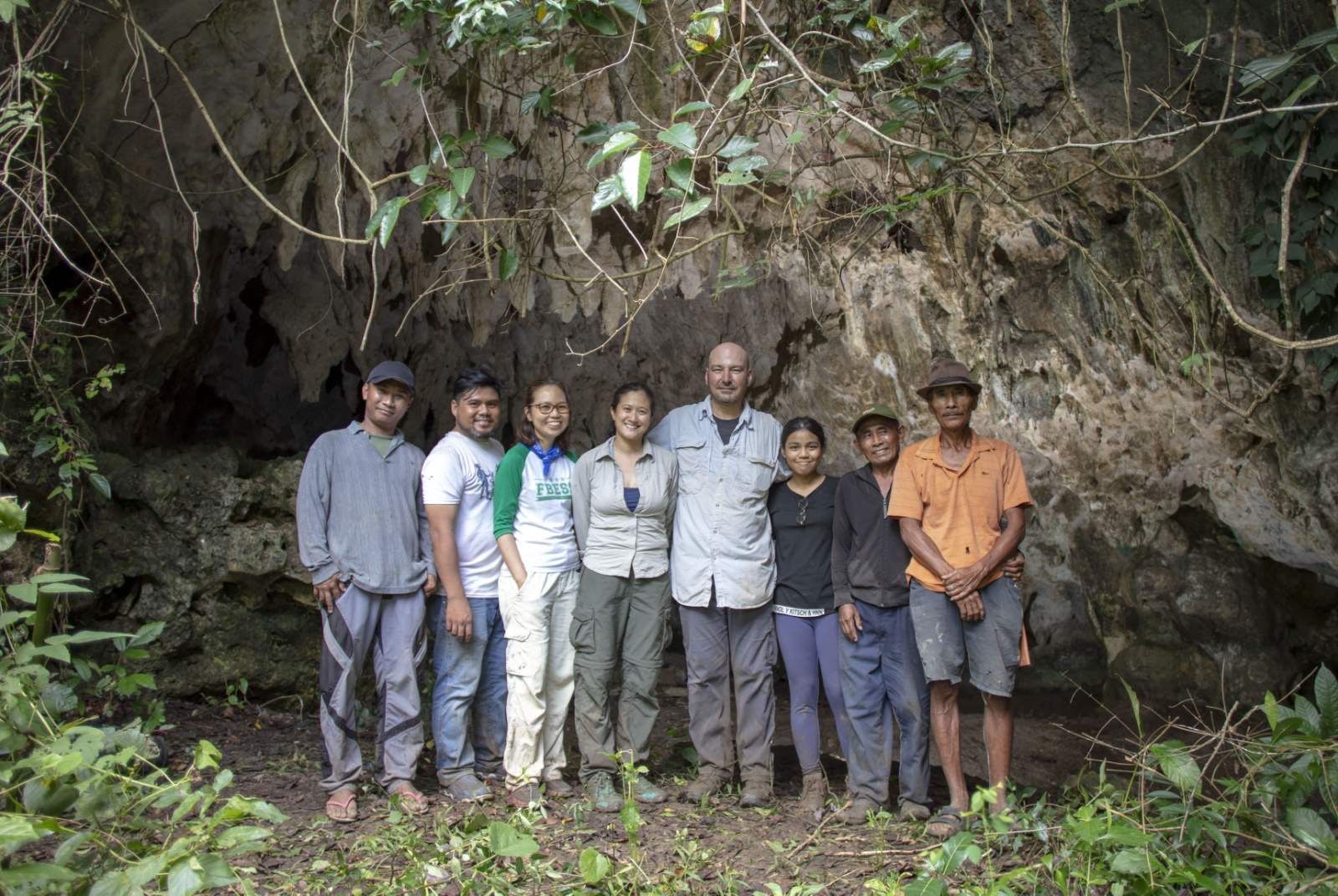
Above Jalandoni (sitting, foreground) with her team in one of the rock art cave sites
Jalandoni (sitting, foreground) with her team in one of the rock art cave sites
1 / 1
Jalandoni, who is also a research fellow at Griffith University in Australia, said that "this date is older than anyone expected and it marks the beginning of the direct rock art dating revolution in Southeast Asia. Hopefully, this will lead to a better appreciation and more protection for this significant cultural heritage in the Philippines."
In the online press conference hosted by the National Museum of the Philippines and the Thailand-based institution, Southeast Asian Regional Centre for Archaeology and Fine Arts (SEAMO-SPAFA), Jalandoni explained that there are other rock art found in the Southeast Asian region. Handmade prehistoric markings made of either charcoal or carbon black have also been found years ago in Perak (Malaysia), Sarawak (Malaysia), and Sulawesi (Indonesia). The problem with these discoveries is that they were indirectly dated, meaning their claimed ages are credited to the material that surrounds them. This separates the rock art in Hermoso Tuliao Cave in Peñablanca, Cagayan, which has been dated using the carbon black pigment material that was found to be of ample amount to undergo radiocarbon dating.
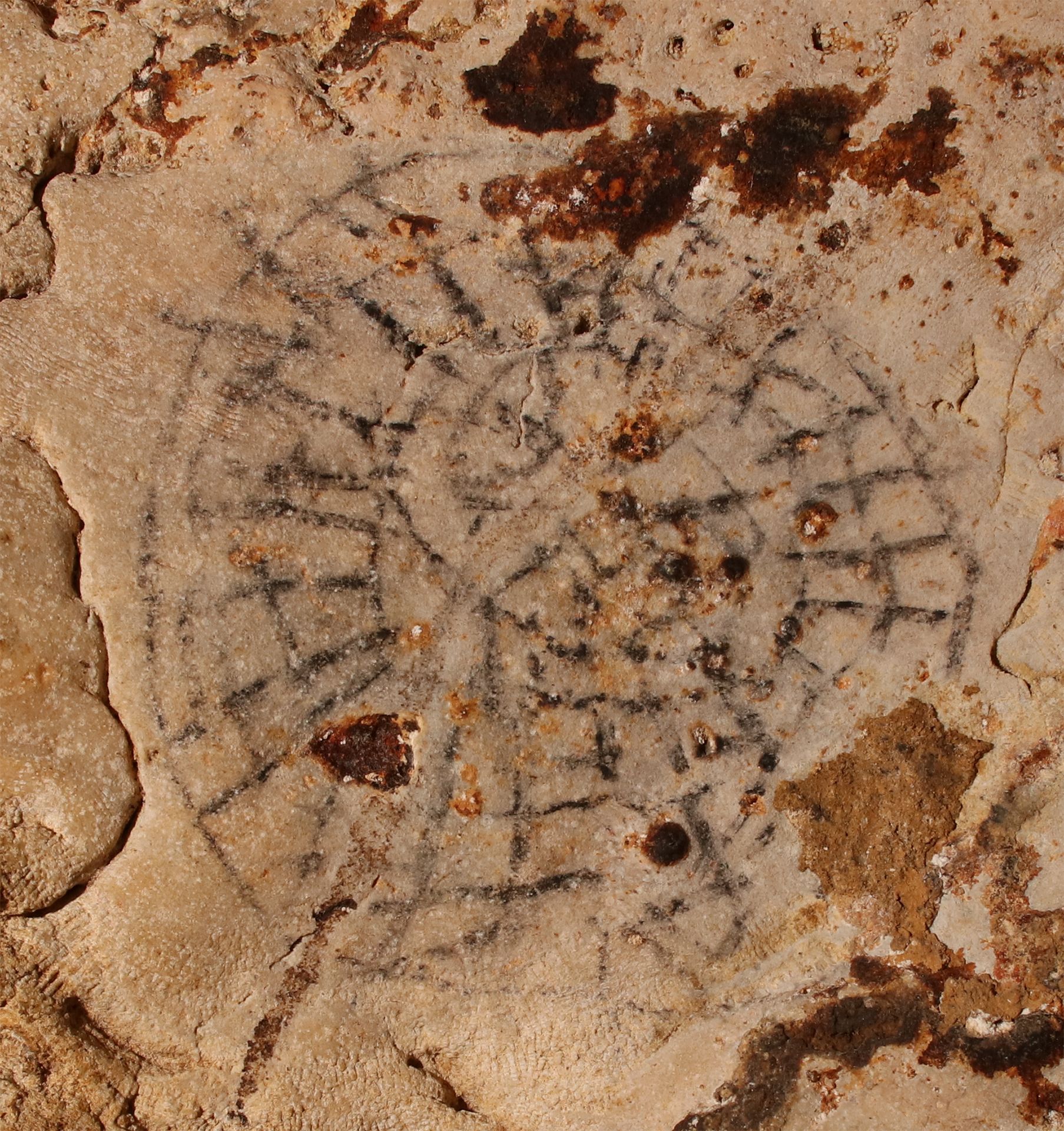
Above Web circle-designed rock art found in Gumahong Cave in Peñablanca
Web circle-designed rock art found in Gumahong Cave in Peñablanca
1 / 1

1 / 3
Rock art paintings in the caves of the Callao Limestone formation in Peñablanca, Cagayan were first discovered during National Museum of the Philippines' explorations from 1976 to 1977. In the 2016 paper entitled Re-Examining Pictograms In The Caves of Cagayan Valley, Philippines, researchers Marie Grace Pamela Faylona et al. estimated "more than 350 forms of geometric motifs, namely anthropomorphic, botanical emblems, and many other indistinct and vague forms of drawings... on the walls of the rockshelters and caves located in the Callao Limestone formation."
However, Jalandoni said that some of these rock art paintings have already eroded through vandalism and/or natural elements like flooding. Meanwhile, there are also other rock art sites in the country like the carved drawings in Rizal, known as Angono Petroglyphs, the red hand stencils in Anda, Bohol, the petroglyphs in Alab, Bontoc, and the Pälaqwan cave art in Signapan Basin in Rangsang, Palawan.
Related: 6 Underrated Destinations In The Philippines To Visit This 2021: Anda, Catanduanes, And More
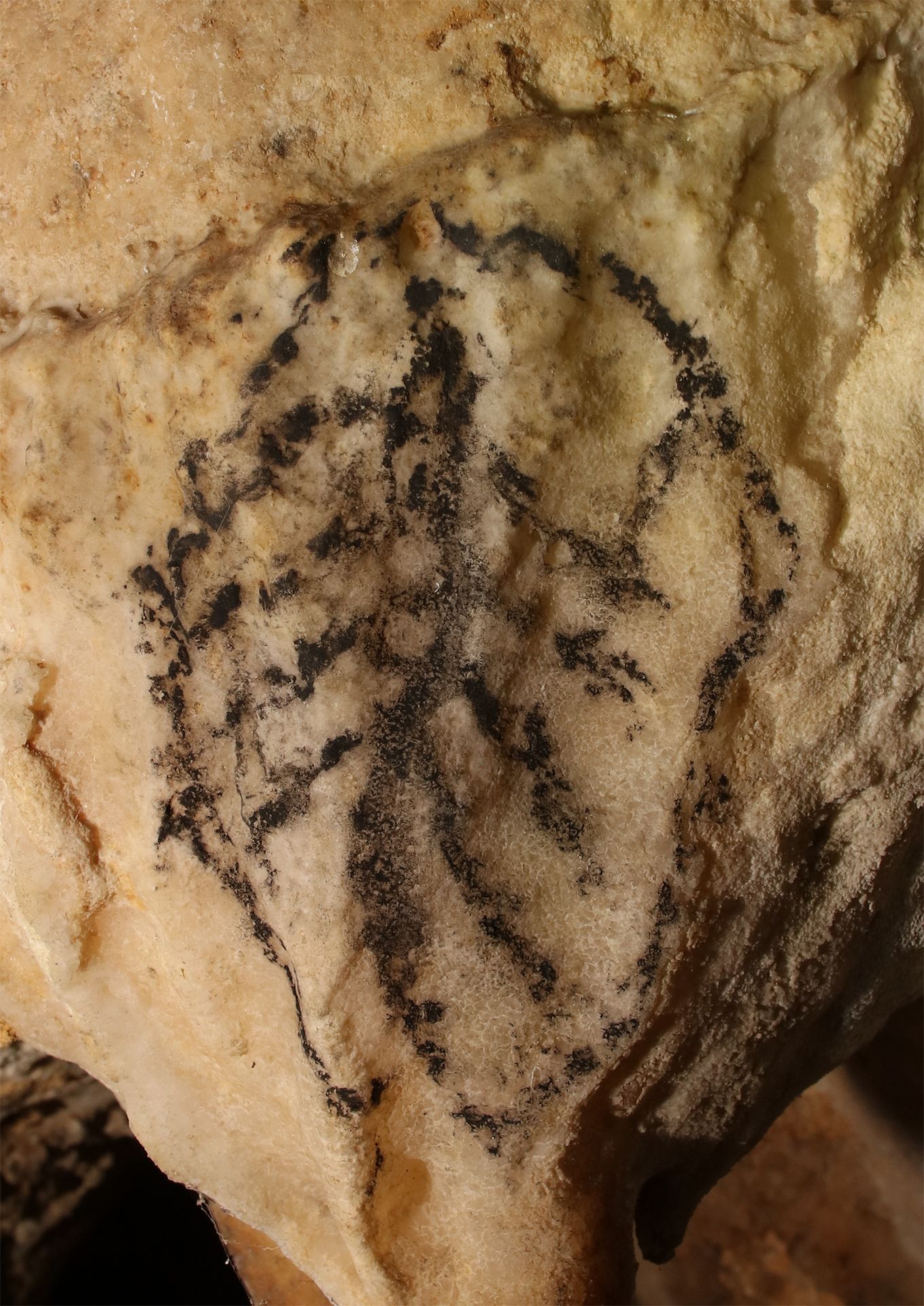

Leaf-skeleton figure of rock art painting found in Gumahong Cave in Peñablanca, Cagayan
1 / 2
Peñablanca must be the area in the country that has the most prehistoric rock art paintings discovered, with motifs similar to those found in other rock sites Jalandoni mentioned earlier. According to earlier studies, the location has been a habitation and burial sites of prehistoric settlers. Early Austronesians migrated to Luzon around 4,000 years ago and left some earthenware and other cultural markers in the northern area of the Philippines. On the other hand, the Negritos are believed to have arrived earlier, before the end of the Pleistocene era, via land bridges in the south. Jalandoni, ultimately, clarified that they were able to date the art only but did not found the fossil remains of the nearby fire that was used to extract the pigment. Hence, the identities of the painters still remain unknown and there is still more research to be done about the drawings.
"We have previously assumed that black rock art is more recent because black art is placed over red art, or because the subjects depicted are quite modern," said Noel Hidalgo Tan, senior specialist in archaeology of SEAMO-SPAFA. "This new finding forces us to be more cautious about attributing black rock art as ‘recent’, and also encourages us to embark on direct dating for more rock art sites in the region.”
With this discovery, the date supports previous research results on the early human occupation activities in Peñablanca such as archaeological evidence of foraging in Eme and Arku Caves, and pottery in Callao Cave, all within the same limestone formation. Peñablanca has been a hotspot for important archaeological discoveries since the early 2000s with fossils of the newly classified early human species Homo luzonensis dated to 67,000 years ago being discovered in Callao Cave.
References:
-
Jalandoni, Andrea, Marie Grace Pamela G. Faylona, Aila Shaine Sambo, Mark D. Willis, Caroline Marie Q. Lising, Maria Kottermair, Xandriane E. Loriega, and Paul S.C. Taçon. "First Directly Dated Rock Art in Southeast Asia and the Archaeological Implications." Radiocarbon (2021): 1-9. https://doi.org/10.1017/RDC.2021.29
-
Faylona, Marie Grace Pamela G., Caroline Marie Q. Lising and Eusebio Z. Dizon. "Re-Examining Pictograms In The Caves Of Cagayan Valley, Philippines." Rock Art Research (2016): https://www.researchgate.net/publication/317772196_Re-examining_pictograms_in_the_caves_of_Cagayan_Valley_Philippines

Franz writes about the local cultural scene and rediscovering the country’s storied past and rich heritage. He earned his bachelor’s degree in Journalism from the University of Santo Tomas and is currently pursuing a master's degree in Art Studies at the University of the Philippines Diliman. Besides working on this luxury lifestyle magazine, Franz is an avid book reader, local traveller, museum-goer, chorister, and community theatre playwright. But above all this, this Aether main spends more time in Teyvat than anywhere else.





